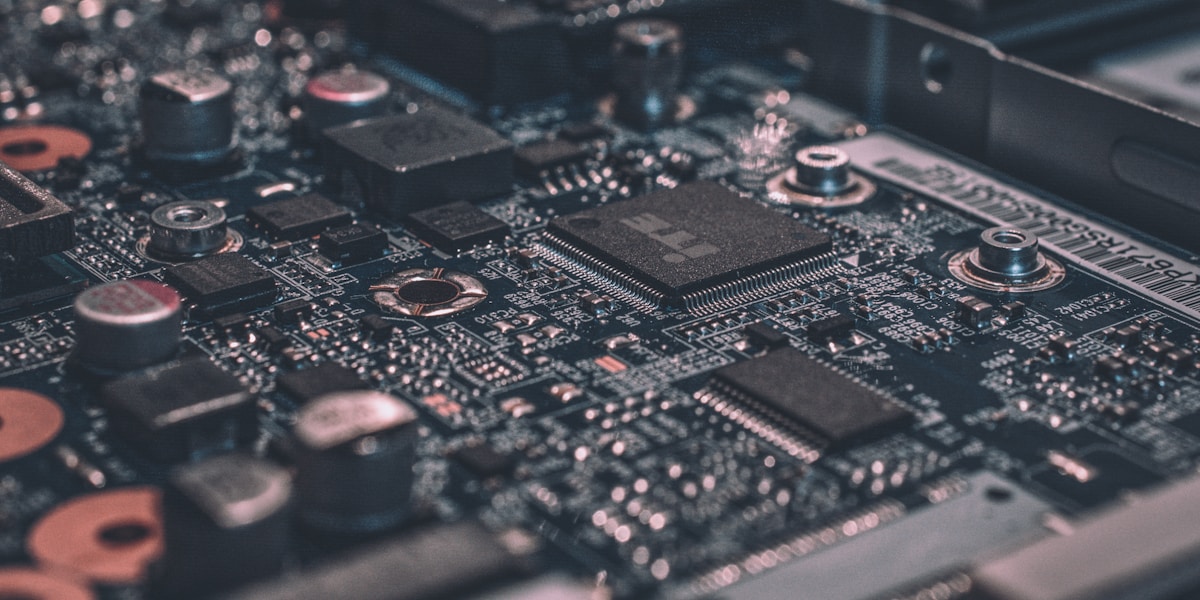
Every piece of business software uses a database. Your CRM, your inventory system, your website. Understanding databases helps you evaluate tools and avoid pitfalls.
A database is an organized collection of data. Think of it as a sophisticated spreadsheet. Columns define data types. Rows hold individual records. Relationships connect tables.
Technical Note
Data quality determines automation quality. Clean, consistent data is the foundation of reliable automation.
Relational databases are most common. MySQL, PostgreSQL, SQL Server. Data lives in tables with defined relationships. Great for structured data with clear connections.
NoSQL databases handle different needs. MongoDB, Firebase. More flexible structure. Better for rapidly changing data or document-style information.
The database choice matters for business tools. Tools with flexible databases adapt easier to your needs. Rigid schemas create workarounds and frustration.
Data migration is harder than vendors admit. Moving from one system to another often means restructuring data. Plan for migration complexity when evaluating tools.
"Simple systems that work beat complex systems that don't. Start with reliability, then add sophistication.
Backups are not optional. Database corruption or accidental deletion can destroy your business. Verify your tools backup automatically. Test that backups actually restore.
Query performance affects user experience. Slow databases make your tools feel sluggish. If software feels slow, the database is often the bottleneck.
Legacy Systems
- •Siloed data
- •Manual integrations
- •Security vulnerabilities
- •High maintenance costs
Modern Stack
- •Unified data layer
- •API-first design
- •Built-in security
- •Automated maintenance
Data normalization sounds complex but matters. It means not storing the same information in multiple places. Unnormalized data leads to inconsistencies and errors.
The practical takeaway: When evaluating business tools, ask about the underlying database, data export capabilities, and backup policies. These matter more than flashy features.